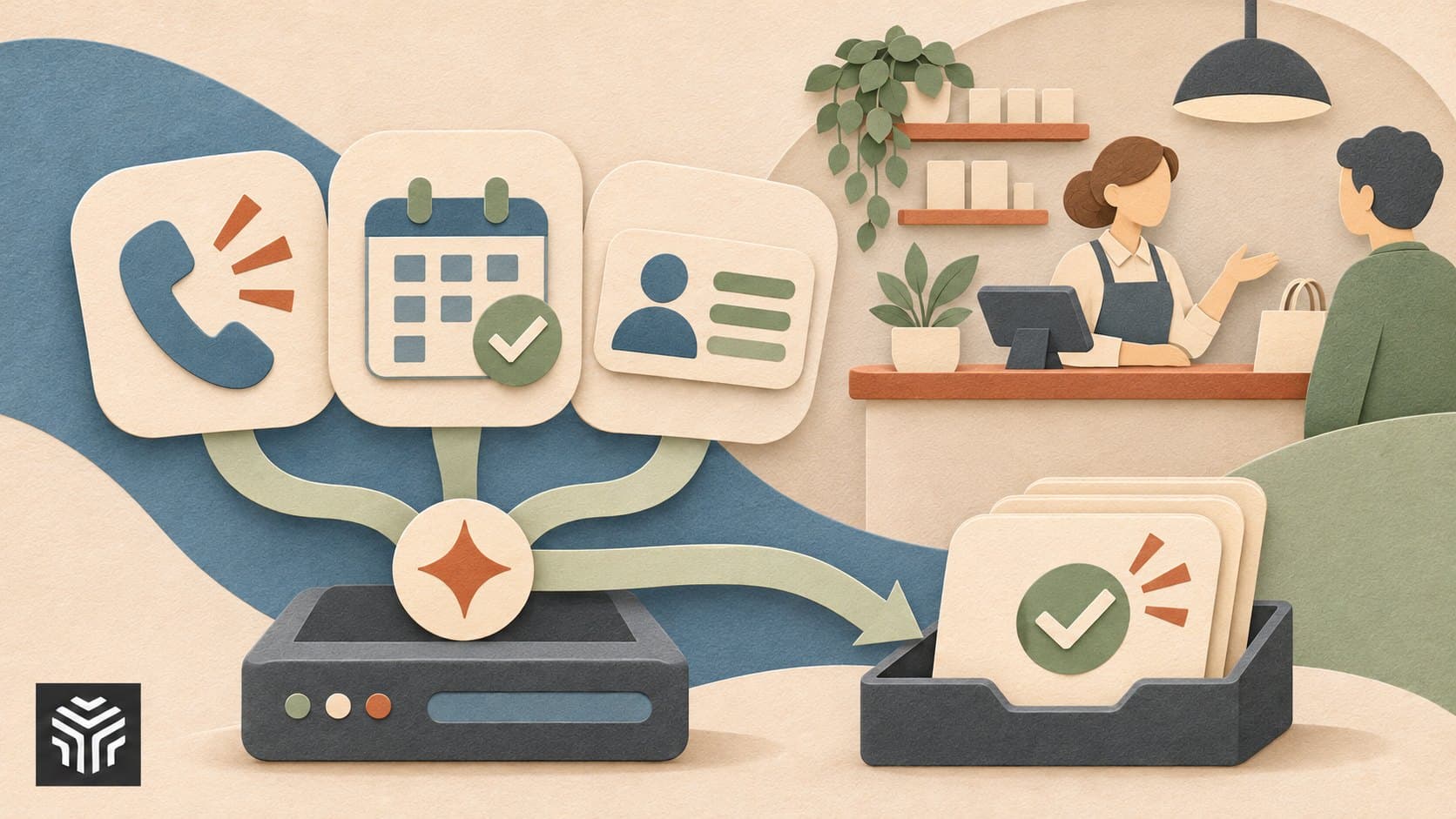
What Actually Changes in a Small Business When an AI Employee Takes Over Repetitive Work
A small business owner I work with used to lose two hours every morning to work that made no money: reading overnight messages, copying enquiry details into a spreadsheet, replying to the same five questions, and ringing back people who had already rung twice. None of it was hard. All of it had to be done, and none of it was the business.
That is the job an AI employee is actually for. Not a robot receptionist from a demo video, and not a chatbot that answers "what are your hours" and stops. An AI employee is software given a defined, repetitive job inside a real business - answering the phone when nobody is free, qualifying a lead, booking the appointment, updating the CRM - and doing it the same way every time, at any hour.
I build these systems for small businesses through my agency, and the interesting part is never the technology. It is what changes in the business once the repetitive work stops depending on a human being available. Here is what I have actually seen change, and what does not.
1. The phone stops being a bottleneck
The first change is the most boring and the most valuable: calls get answered. A two-person business misses calls. It misses them at lunch, on site visits, and after 6pm, which is exactly when a customer with a problem or a buyer with a question is most likely to ring.
An AI voice agent answers on the first ring, every time. It takes the details, answers the questions it has been given answers for, books the appointment, and hands the rest to a human with the notes already written. The business does not get more customers. It stops losing the ones it already had.
The number that matters here is not how clever the voice sounds. It is how many calls that used to go to voicemail now end with a booked appointment or a logged lead. Measure that before and after. If it does not move, the agent is a toy.
2. The CRM stops rotting
Every small business has the same CRM problem: the system is only as good as the last person who updated it, and nobody updates it. Deals sit in the wrong stage for weeks. Follow-ups depend on memory. A lead that came in on Tuesday is forgotten by Thursday.
When the AI employee handles the first contact, it writes to the CRM itself - name, number, what they asked for, what was promised, and when to call back. No copy-paste, no end-of-day admin, no "I'll log it later." The CRM becomes a record of what actually happened instead of a chore everyone avoids.
This is unglamorous work, and it is where most of the value sits. A business that knows exactly who it promised to call back, and when, sells more than a business with a smarter chatbot and a dead CRM.
3. Follow-up happens on time, without willpower
The third change is follow-up. Most small businesses do not lose sales because their product is wrong. They lose them because nobody rang back on Wednesday like they said they would.
An AI employee does not forget, get busy, or decide the follow-up can wait until Monday. It sends the reminder, makes the call, or flags the human with the full context - what was discussed, what was agreed, what is still open. The human still makes the judgment calls. The machine makes sure the judgment call happens at all.
4. The owner gets their evenings back - but only if the scope stays narrow
Here is the change owners actually feel: the business stops needing them for every small thing. Not the decisions, not the difficult customers, not the work only they can do. The repetitive layer - the same questions, the same bookings, the same data entry - runs without them.
But this only works when the scope is narrow. The AI employee that does one job well is worth more than the one promised to do everything. Every successful deployment I have seen started with a single workflow, a measured baseline, and a 30-day test: this job, this volume, this result. The ones that failed started with "automate the business" and ended with an agent that did nothing reliably.
What does not change
Three things do not change, and any vendor who says otherwise is selling you a demo.
First, judgment. An angry customer, a complicated quote, a situation that does not fit the script - those still need a person, quickly, with the full conversation history in front of them. The handover to a human is the most important feature of the whole system. A bot that traps people is worse than no bot at all.
Second, knowledge. An AI employee is only as good as the information it is given. If your pricing, your process, or your answers live in one person's head, the agent will guess - and guessing is how a business ends up confirming an appointment it cannot keep. The unglamorous prerequisite is writing down how the business actually works.
Third, accountability. The owner is still responsible for every word the agent says and every appointment it books. That means logs, regular review, and a kill switch. Trust is earned in weeks of boring reliability, not in a launch-day demo.
How to start, if you are considering it
Pick one repetitive workflow that already has a measurable cost: missed calls, unanswered messages, or follow-ups that do not happen. Write down how it works today, including the exceptions. Give the agent that one job, with a clear handover rule for everything outside it. Run it for 30 days and compare the numbers - calls answered, leads logged, follow-ups completed - against the month before.
If the numbers move, add a second workflow. If they do not, you have learned something cheap. Either way, you will know more about your own business than you did before, because the exercise of writing down how a job works is valuable even if you never automate it.
An AI employee does not replace the people in a small business. It replaces the repetitive work that was never really their job in the first place - and gives them back the hours to do the work that is.
--
About the author: Abubakar Farooq is a full-stack developer and AI specialist, building AI employees, voice agents, and chatbots for small businesses. He writes about what actually breaks when AI meets a real business
Keep reading
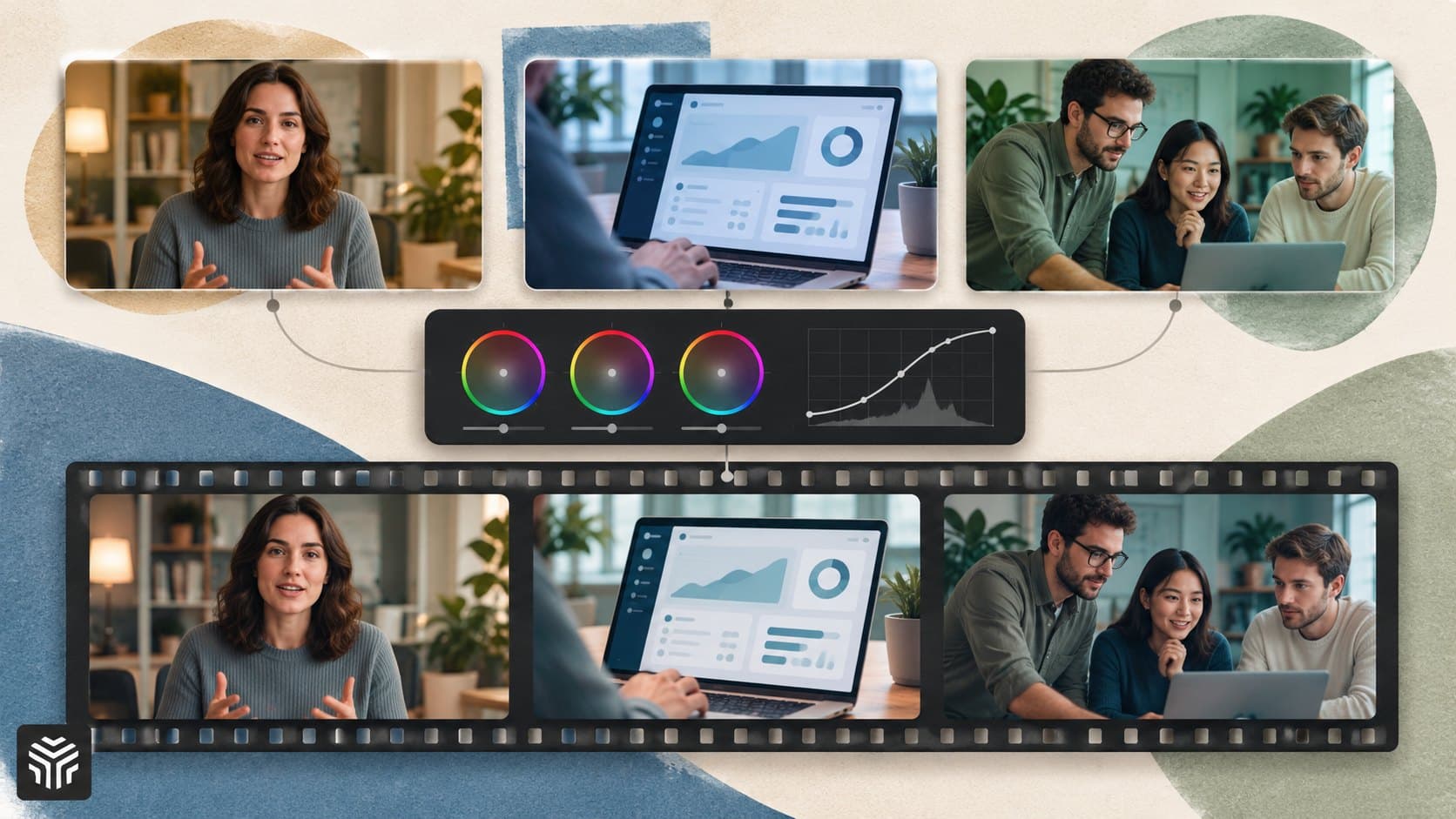
How Color Grading Creates a Consistent Visual Style for SaaS Product Videos
Learn how SaaS teams can use color grading to create a consistent visual style across product demos, tutorials, and launch videos. This guide covers correction, shot matching, brand color accuracy, AI assistance, and repeatable workflows that keep footage visually connected.
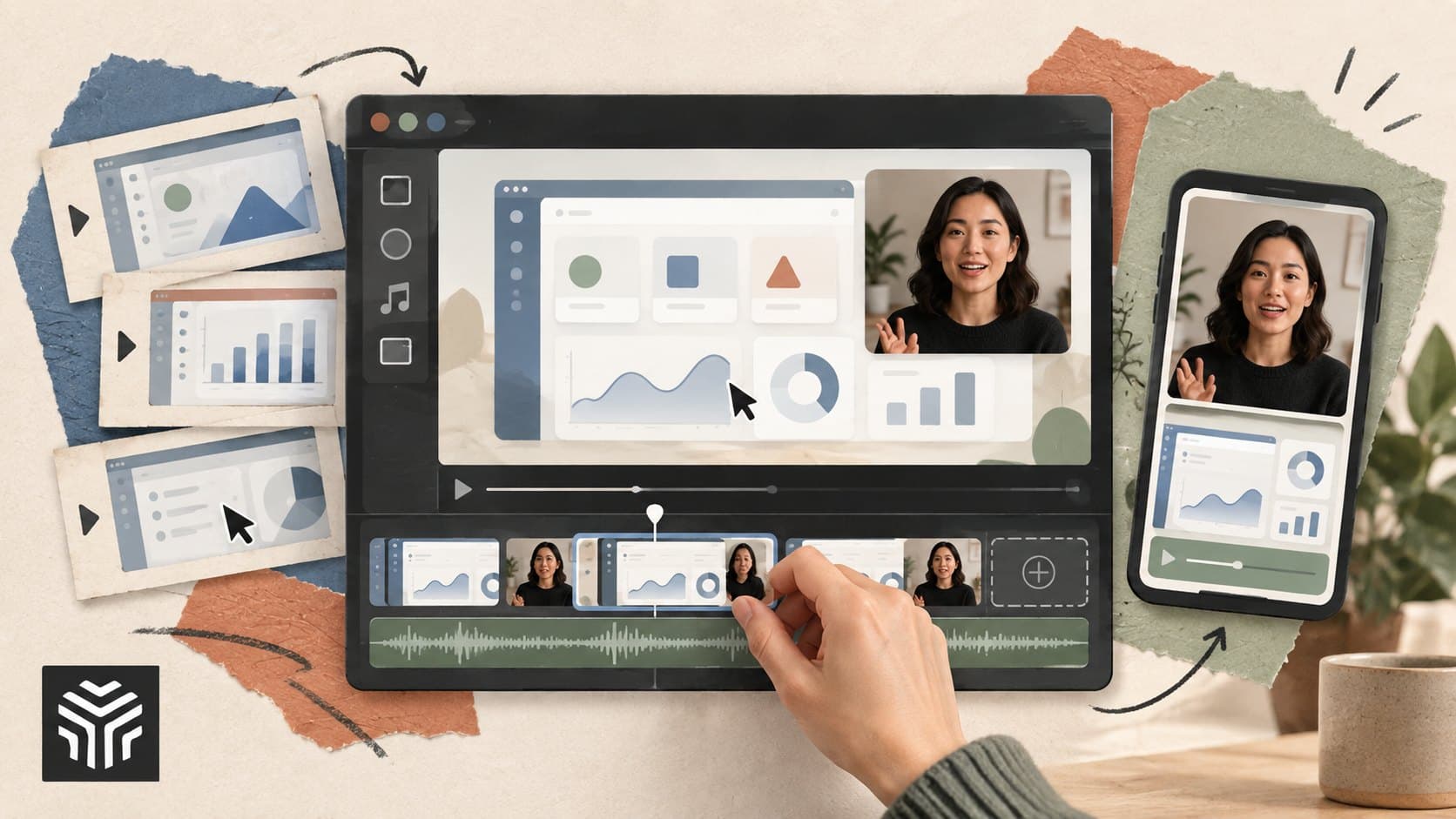
A Practical Guide to Create Professional Videos Online for SaaS and Startup Teams
A practical guide to creating professional videos online for SaaS and startup teams. Learn how to plan a clear message, organize footage, improve pacing and audio, add captions, streamline reviews, and repurpose videos across channels while using AI to reduce repetitive editing work.
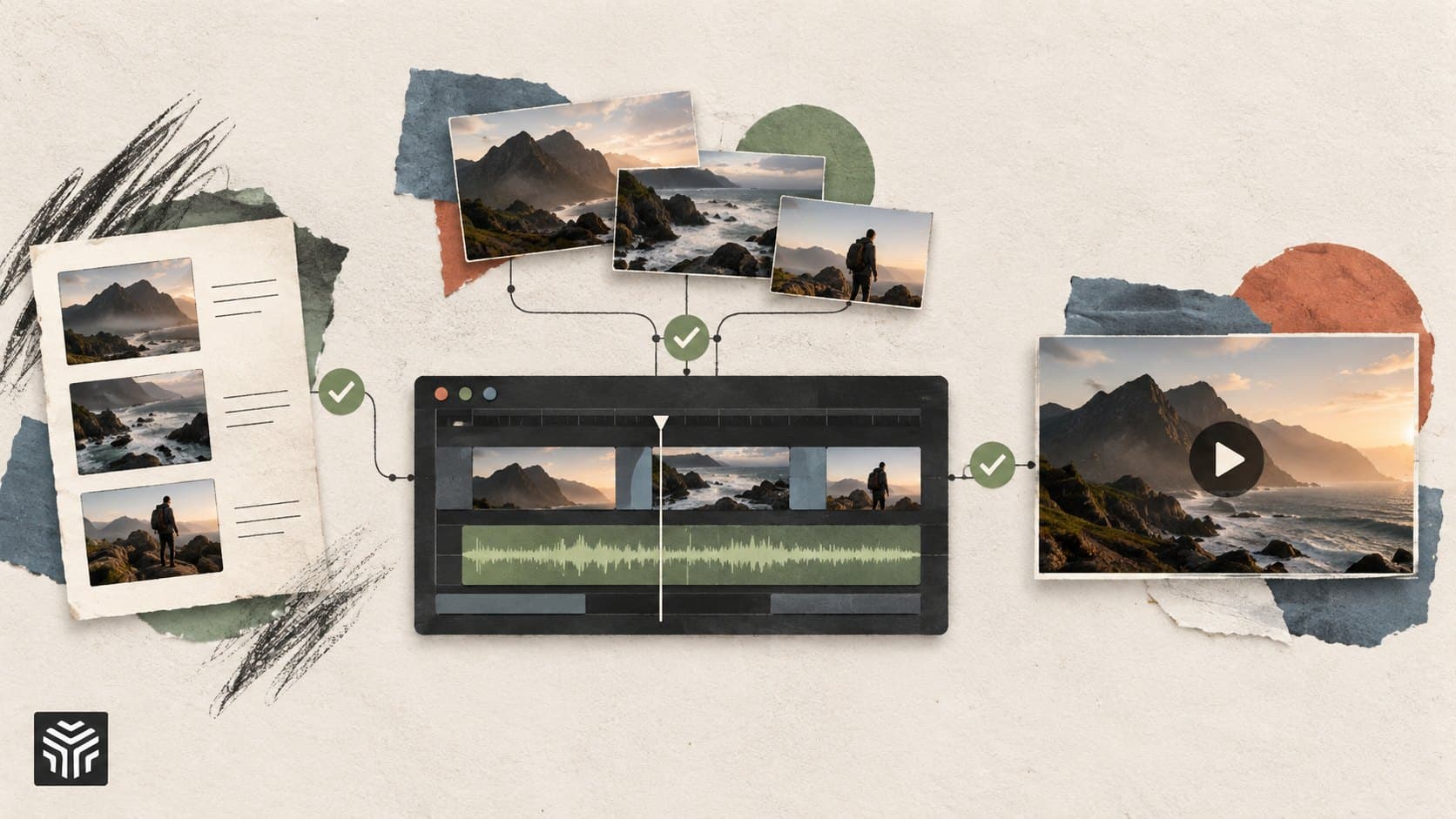
How Agentic AI Can Simplify Multi-Step Video Production Workflows
Agentic AI connects video production tasks such as footage review, take selection, first cuts, B-roll, and revisions into a coordinated workflow. Learn how editors can delegate repetitive work while retaining control over storytelling, accuracy, and final approval.